 Skip to content


Acrylonitrile (AN) | Industrial Grade Monomer | CAS 107-13-1
Overview
Acrylonitrile (AN) is a clear, colorless, and highly volatile liquid with a pungent, onion- or garlic-like odor. As a foundational reactive monomer containing both a vinyl group and a nitrile group, it is one of the most heavily consumed and strategically important building blocks in the global petrochemical and polymer industries.
Product Description
Acrylonitrile (AN) | Industrial Grade Monomer
Product Overview
Acrylonitrile (AN) is a clear, colorless, and highly volatile liquid. As a foundational reactive monomer containing both a vinyl group and a nitrile group, it is one of the most heavily consumed and strategically important building blocks in the global petrochemical and polymer industries.
At Shandong Yinglang Chemical Co., Ltd., established in 2016, we supply bulk Industrial Grade Acrylonitrile (≥ 99.5%) to the world's leading polymer and synthetic rubber gigafactories. Operating strictly under Class 3 / 6.1 Dangerous Goods protocols, we ensure our AN monomer is perfectly stabilized with precise levels of inhibitors, guaranteeing safe ocean transit and flawless polymerization reactivity.
Technical Specifications (COA)
For high-performance polymer synthesis, purity and inhibitor levels must be meticulously balanced. Typical specifications:
| Purity (Acrylonitrile) | ≥ 99.5% |
|---|---|
| Water Content | ≤ 0.4% |
| Acidity (as Acetic Acid) | ≤ 20 ppm |
| Hydrogen Cyanide (HCN) | ≤ 5 ppm |
| Inhibitor (MEHQ) | 35 - 45 ppm (Customizable) |
Key Applications
- ABS & SAN Resins: Polymerized with butadiene and styrene to create ABS, a tough, impact-resistant plastic ubiquitous in automotive parts and appliances.
- Carbon Fiber Precursor (PAN): Polymerized to form Polyacrylonitrile (PAN), which is spun and carbonized to produce high-strength carbon fibers for aerospace.
- Nitrile Rubber (NBR): Copolymerized with butadiene to produce NBR, renowned for exceptional oil resistance. Core material for medical/laboratory examination gloves.
- Acrylamide Synthesis: Hydrated to produce acrylamide for massive-scale water treatment polymers.
🛡️ Masterful Inhibitor Control for Safe Transit
Acrylonitrile can undergo explosive auto-polymerization if exposed to heat, light, or alkaline conditions. Our logistics team expertly calculates the precise dosage of MEHQ (Monomethyl ether of hydroquinone) inhibitor based on your destination port's climate and transit duration. This ensures the monomer remains 100% stable during the voyage but is readily active when introduced to initiators in your reactors.
Bulk Liquid DG Packaging
Acrylonitrile requires stringent packaging to prevent polymerization and leakage during transit:
- ISO TANKS (20 - 24 MT) for massive bulk procurement, thoroughly inspected for valve integrity.
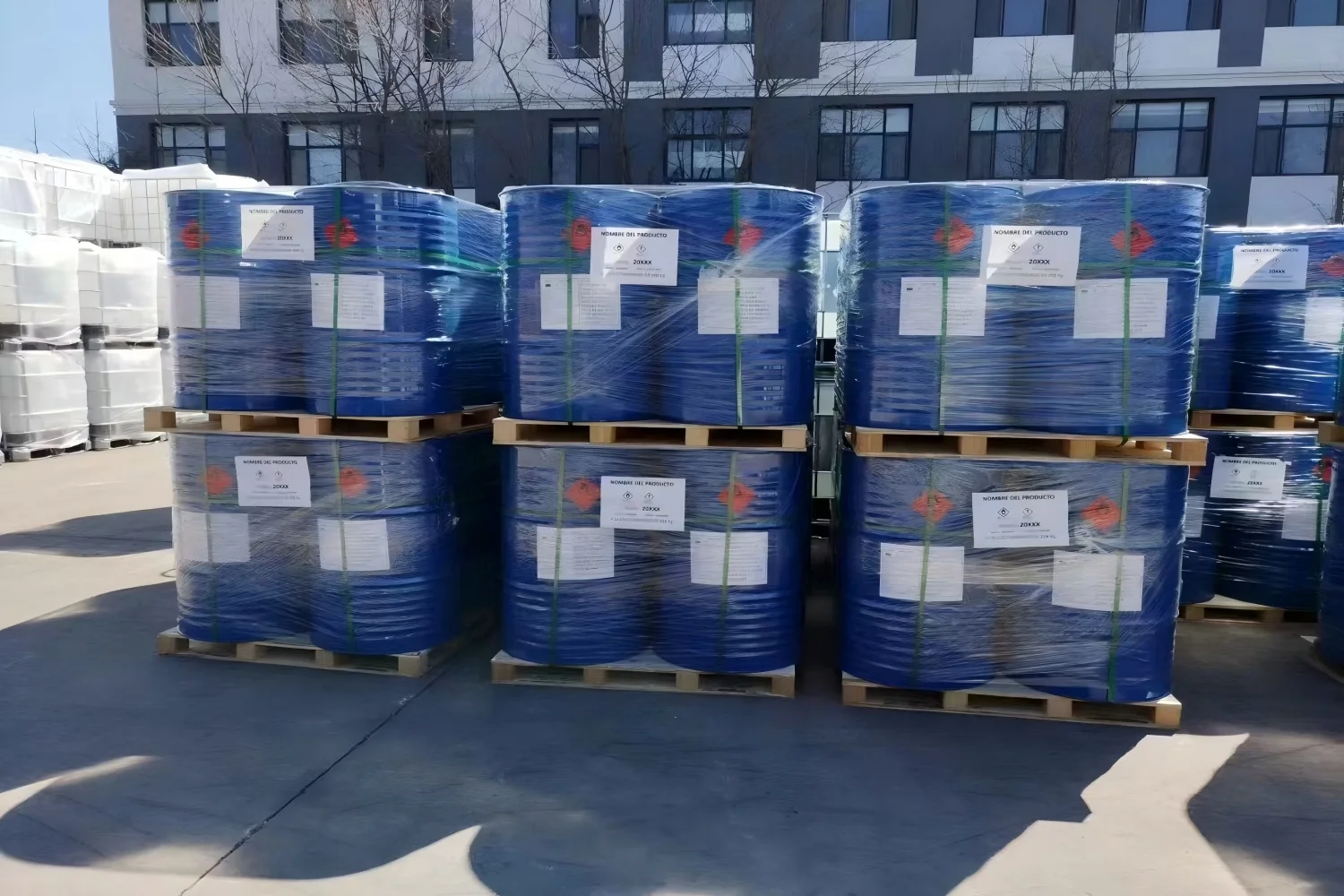
- 200 KG Heavy-duty UN-approved Steel Drums (Strictly sealed and nitrogen-blanketed).
⚠️ Safety & Transport Information (Class 3 / 6.1 DG)
- Transport Classification: Classified as Class 3 (Flammable) with Subsidiary Risk 6.1 (Toxic).
- UN Number: UN 1093 | Packing Group: I (Highest Danger Level)
- Handling Precautions: EXTREME DANGER. Highly flammable liquid and vapor. Toxic if swallowed, in contact with skin, or inhaled. Uninhibited monomer can polymerize explosively. Operators MUST wear full hazmat suits and SCBA. Store in explosion-proof, temperature-controlled DG facilities.
Request a Bulk Quote for Acrylonitrile
Contact us today for the latest FOB/CIF pricing, detailed COA, and specialized ISO Tank shipping estimates for your polymer plant.
Request a Bulk Quote Email Sales & Logistics Team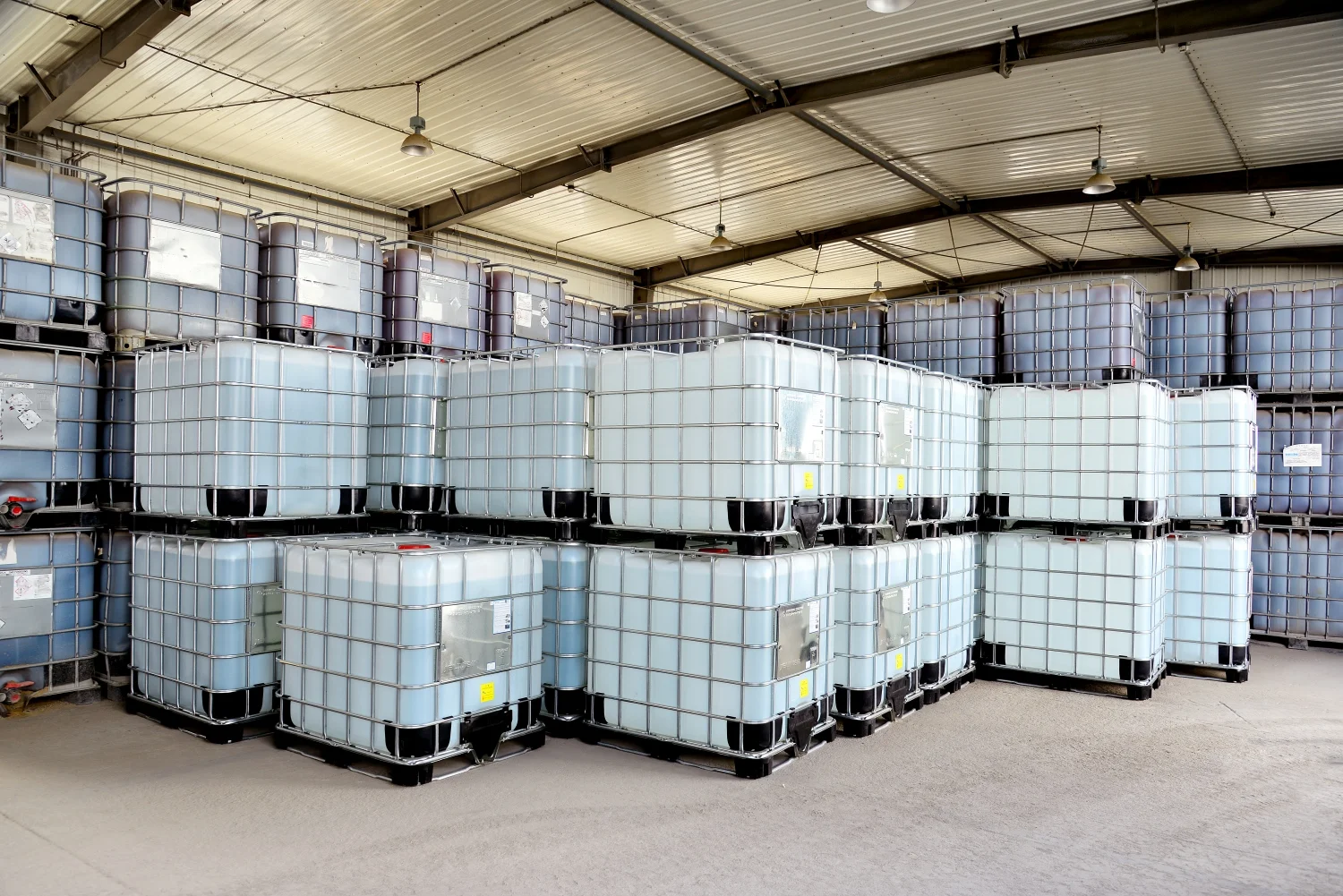
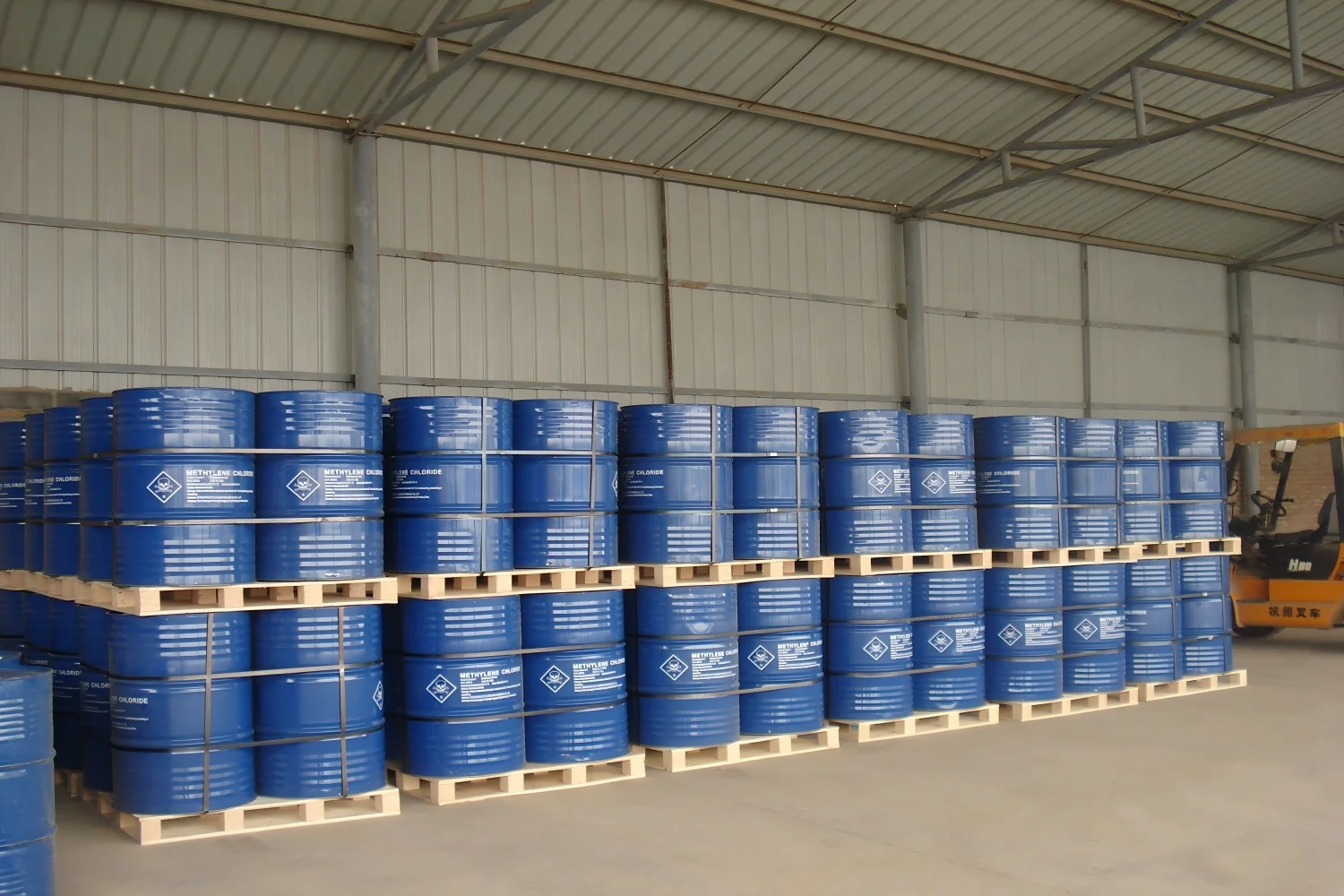
PACKING AND DELIVERY
Packing and delivery
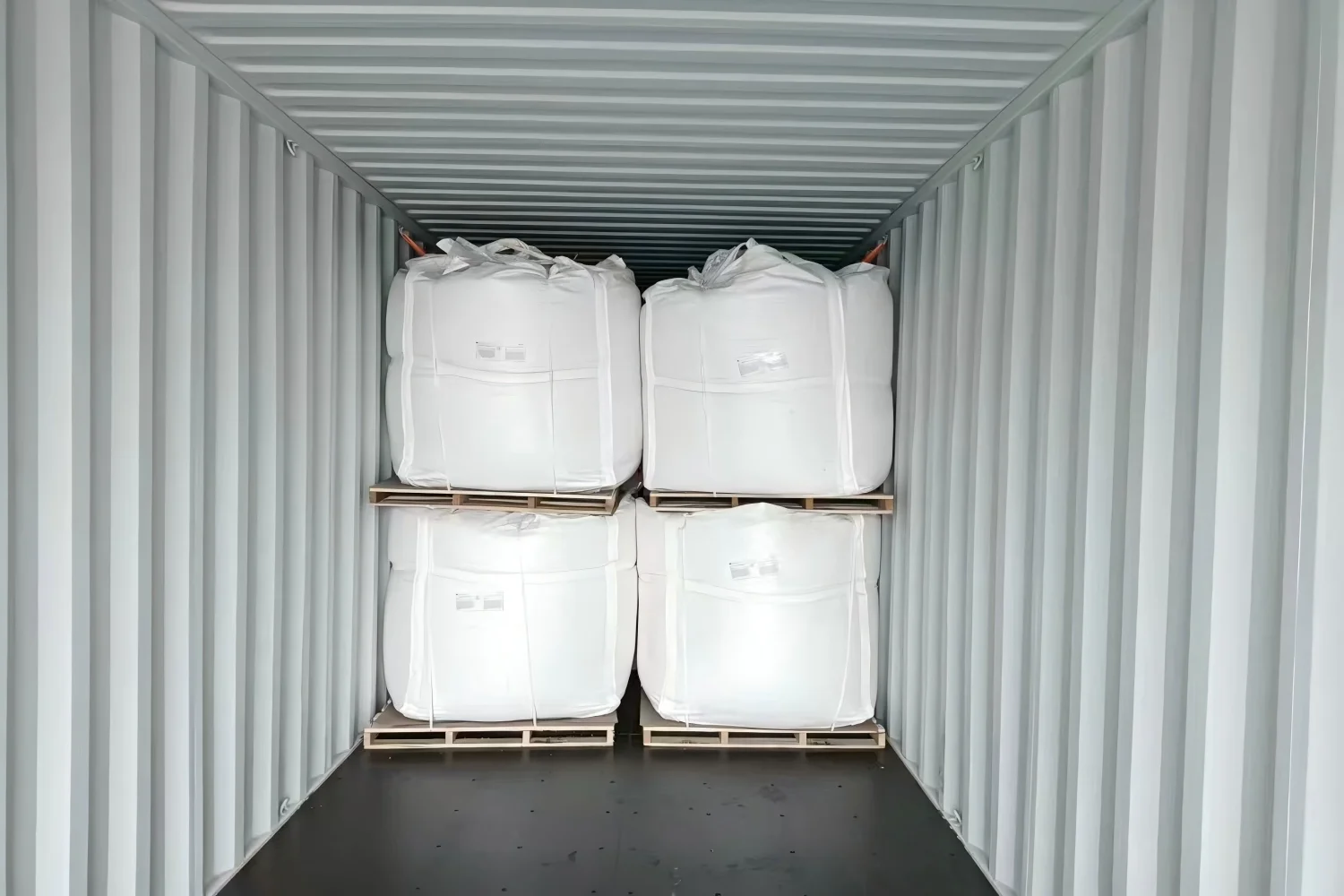
We offer secure and compliant packaging for a wide range of chemical products, from laboratory bottles (100 mL, 250 mL, 500 mL) to customized bulk containers. All shipments follow international hazardous goods standards and include complete documentation such as COA and SDS. With reliable global logistics partners, we ensure safe, fast, and efficient delivery by air, sea, or land according to customer needs.
FAQ
Q1: What documents and certifications do you provide?
A Standard shipment includes COA (Certificate of Analysis) and MSDS (SDS). We also provide ISO 9001 certification and support third-party inspections like SGS or BV upon request.
Q2: Do you provide custom synthesis or formulation services?
A Yes. If you have specific purity requirements or a unique formulation, our R&D team can provide custom synthesis and adjust the stabilizers/inhibitors to meet your technical specifications.
Q3: What are your terms of payment?
A
For Orders ≤ $1,000: 100% in advance.
For Orders > $1,000: 30% T/T in advance, and the balance before shipment or against the copy of B/L. Irrevocable L/C at sight is also acceptable for bulk orders.
Q4: How long is your price valid?
A Chemical prices fluctuate due to the changes in raw material costs and exchange rates. Please contact our sales team for the latest real-time quotation.
Q5: What packaging and shipping ports are available?
A
We normally ship from Qingdao, Shanghai, or Ningbo.
Standard packaging includes 200kg Drums or 1000kg IBC Totes. We ensure strict safety compliance for both general and hazardous chemical cargoes.
Q6: It's my first time importing chemicals — can you help?
A Absolutely. Importing chemicals requires specific documentation. Our experienced logistics team will assist you with the entire process, including handling customs clearance documents and arranging the most suitable shipping method.